
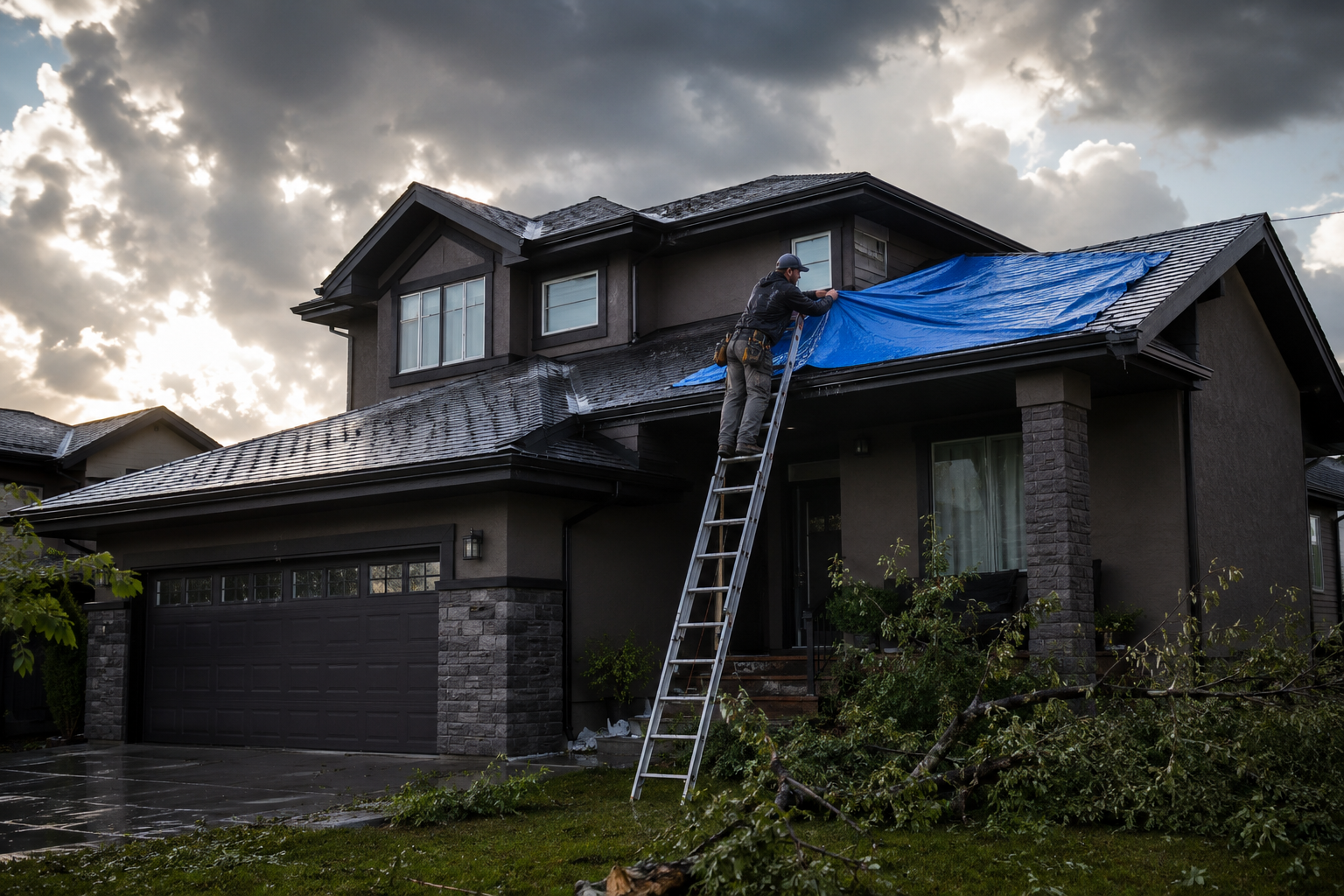
Emergency Roof Repair in Calgary: What to Do When Your Roof Leaks
Short answer: Emergency roof repair means acting fast to stop active damage, like a leak, storm damage, or missing shingles, before it turns into a much bigger and costlier problem. The moment you spot trouble, do four things: keep everyone safe, contain the water inside, stay off the roof, and call a licensed local roofer for temporary protection. In Alberta, most roof emergencies come from hail, high winds and chinooks, and winter ice dams, and quick action can save you thousands.
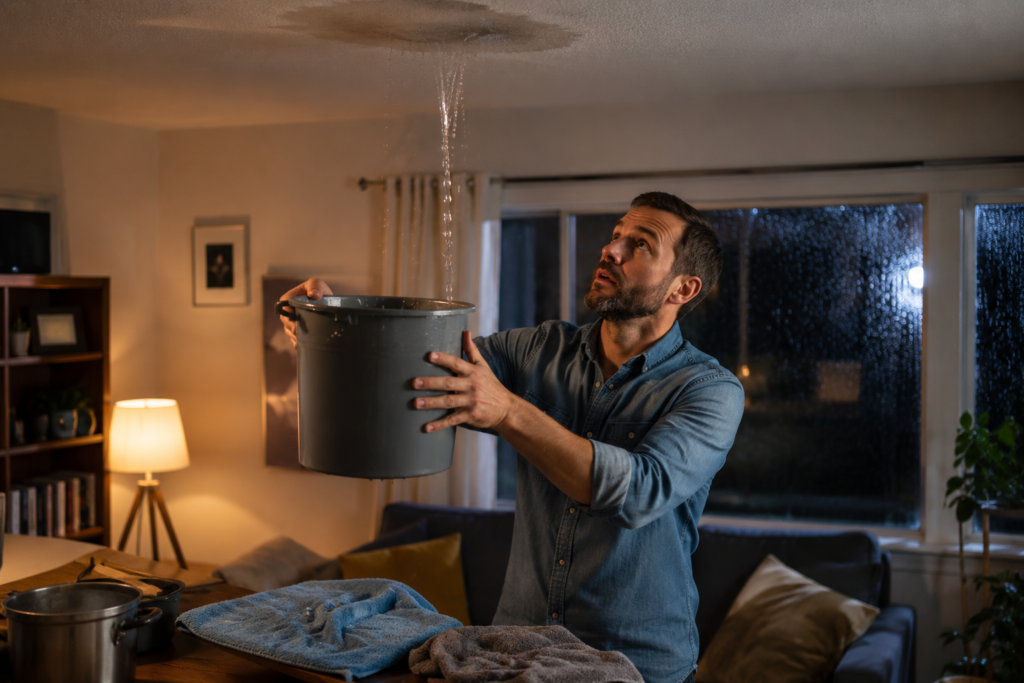
A roof emergency is stressful, especially during a storm when it feels like there is nothing you can do. There is. This guide walks you through exactly what to do first, what it costs, how insurance works in Alberta, and how to avoid the storm-chasers who show up after every big hail event.
Is It Actually an Emergency?
Not every roof problem needs a midnight phone call. Knowing the difference helps you act correctly without panicking.
| Situation | Emergency? | What to Do |
|---|---|---|
| Active leak dripping inside | Yes | Contain water, call a roofer now |
| Missing or lifted shingles after a storm | Yes | Book urgent inspection, protect if safe |
| Storm or fallen branch damage | Yes | Document, call for tarping |
| A few granules in the gutter | No | Schedule a normal inspection |
| One small stain, no active drip | Soon | Book an inspection this week |
The rule of thumb: if water is entering your home, or the roof is open to the weather, treat it as an emergency. Waiting turns a small fix into a decking, insulation, and mould problem.
What to Do First: Your 5-Step Action Plan
Follow these in order. The first two protect people, the rest protect the house.
| Step | Action |
|---|---|
| 1 | Keep everyone safe. If there is any electrical or structural risk, leave the area |
| 2 | Contain the water. Use buckets and towels, move furniture and valuables |
| 3 | Do not climb the roof. Wet shingles and fresh damage are dangerous |
| 4 | Document everything from the ground for your insurance claim |
| 5 | Call a licensed local roofer for temporary protection and inspection |
One important point: a small area can sometimes be protected from the ground, but full roof tarping should be done by a professional. A tarp that is not secured properly can lift in the wind, drive rain underneath, or create a new hazard. This matters even more in Calgary, where a storm can bring sudden wind gusts right behind the hail.
 Why Roofs Fail in Alberta: The Usual Causes
Alberta sits in the middle of Canada’s most active hail corridor, and Calgary is often called the country’s hail capital. Knowing the common causes helps you spot damage early.
| Cause | What It Does |
|---|---|
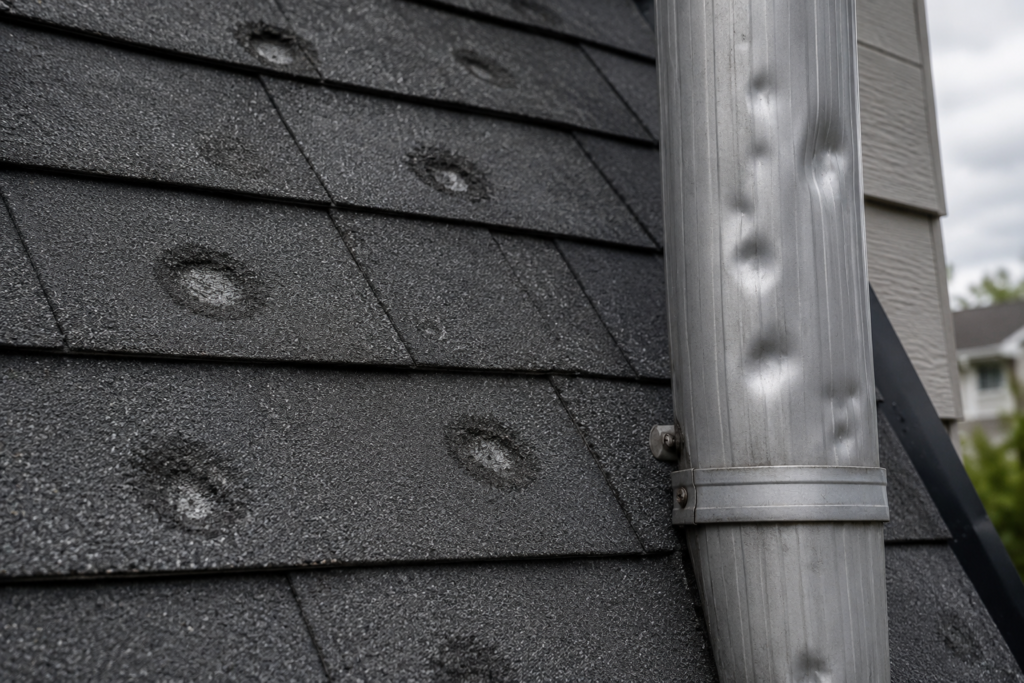
| Hail | Bruises shingles, knocks off granules, dents metal |
| High wind and chinooks | Lifts and tears shingles, especially at edges |
| Ice dams | Forces meltwater back under shingles in winter |
| Heavy snow load | Adds weight and stress to the structure |
| Fallen branches and debris | Punctures or cracks the roof surface |
To put the scale in perspective: the 2024 Calgary hailstorm was the costliest natural disaster in Canadian history, with over three billion dollars in insured losses, and the 2025 season added billions more across Alberta. If you live here, roof damage is not a question of if, but when.
 What Emergency Roof Repair Costs
Costs vary with the damage, but here are realistic 2026 Canadian ranges so you know what to expect. Emergency work usually costs more than scheduled repair, because it happens fast and often at nights, weekends, or in bad weather.
| Type of Work | Typical Cost (CAD) |
|---|---|
| Emergency tarping (temporary) | $300 to $700 |
| Minor repair (few shingles, flashing) | $300 to $1,500 |
| Moderate repair (one slope, decking) | $1,500 to $6,000 |
| Major storm or structural repair | $6,000 to $15,000+ |
| Full emergency replacement | Varies, often $10,000+ |
Two things worth knowing. Emergency call-outs run roughly 25 to 40 percent higher than scheduled repairs. And catching damage early is far cheaper: a $300 to $700 shingle patch can become a $2,000 to $6,000 structural repair once the wood underneath rots. Fast action is not just safer, it is cheaper.
How Roof Insurance Works in Alberta
Here is the part that saves people the most money and stress. Most standard home insurance policies cover sudden, accidental roof damage, but not everything.
| Usually Covered | Usually Not Covered |
|---|---|
| Hail damage | Gradual wear and aging |
| Wind and storm damage | Neglect and poor maintenance |
| Fallen trees and debris | Pre-existing damage |
| Sudden accidental events | Damage from deferred repairs |
The key rule: if the damage is weather-related, contact your insurer before hiring a contractor, because they usually want to send an adjuster first. For an active leak, temporary protection like tarping is generally covered and should not wait. Keep in mind that most policies require you to file within a set window, often six months from the storm, so do not sit on it.
The Insurance Claim Process, Step by Step
Filing a claim is straightforward when you know the order. Good documentation is what gets a claim paid in full.
| Step | What Happens |
|---|---|
| 1 | Document the damage with photos and notes |
| 2 | Report the claim to your insurer with the storm date |
| 3 | An adjuster inspects the roof and writes a report |
| 4 | You provide contractor estimates and photos |
| 5 | The insurer approves a scope and payment |
A good local roofer helps at every step, from documenting damage the adjuster might miss to using the same estimating standards insurers use. That is the difference between a claim that pays and one that gets underpaid.
What to Document for Your Claim
Take these before any repair, from a safe position on the ground. Time-stamped photos are best.
- Ground-level photos of missing, lifted, or bruised shingles
- Dents on downspouts, eavestrough, vents, and flashing
- Any fallen branches or debris on the roof
- Interior photos of leaks, stains, and water damage
- Photos of the buckets, towels, or tarps you used
- Receipts for any emergency supplies you bought
Keep it all in one place. The goal is a clear record of what happened, what you did to limit damage, and what the roofer found.
Watch Out for Storm Chasers
After every big Alberta hailstorm, out-of-town contractors flood the area. Some do rushed, low-quality work on stressed homeowners and then disappear. Before you let anyone on your roof, protect yourself.
| Check | Why It Matters |
|---|---|
| Local physical address | They will still be here for warranty work |
| Licensed and insured | Protects you if something goes wrong |
| Written estimate and warranty | No vague promises or cash-only deals |
| Reviews and references | Confirms real, quality work |
A trustworthy local roofer will happily show all of this. Pressure, urgency tactics, and door-knocking right after a storm are warning signs.
Frequently Asked Questions
What counts as an emergency roof repair? Any situation where water is actively entering your home or the roof is open to the weather, such as a leak, storm or hail damage, or missing shingles. These need fast action to prevent bigger damage.
Should I get on my roof to fix it myself? No. Wet or damaged roofs are dangerous, and a fall is far worse than the leak. Contain water inside, protect what you can from the ground, and let a professional handle the roof.
Will insurance cover emergency tarping? In most cases, yes, if the damage came from a covered event like a storm, hail, or fallen debris. Save your receipts and document the damage, and contact your insurer as soon as it is safe.
How much does emergency roof repair cost in Alberta? Temporary tarping usually runs $300 to $700, minor repairs $300 to $1,500, and larger storm repairs several thousand dollars or more. Emergency work costs more than scheduled repair, so act early when you can.
How long can a tarp stay on my roof? A tarp is a temporary measure, not a fix. It buys time until a proper repair can be done safely, usually within a few weeks. Leaving it too long invites more damage.
Do I need to file my insurance claim right away? Report it as soon as you can. Many policies require filing within about six months of the storm, and the sooner an adjuster sees fresh damage, the smoother the claim.
Why Trust This Guide
This guide was prepared by the roofing team at Throne Roofing Inc., a licensed and insured roofing contractor serving Calgary, Edmonton, and Saskatchewan. We respond to storm, hail, and ice dam emergencies across the prairies every season, and we know how Alberta weather damages a roof and how the insurance process really works. We document thoroughly, protect your home quickly, and give honest options with no storm-chaser tactics.
Dealing with an active leak or storm damage right now? Reach out to Throne Roofing for fast emergency roof repair and a free, no-obligation inspection, and we will help you protect your home and navigate your claim.